
The Role of Luck in Casino Games
Luck is a fundamental element in the realm of casino games, defining the outcomes in ways that can evoke a range of emotions from exhilaration to frustration for players. Whether it’s the spinning reels of a slot machine or the roll of dice in craps, many casino games rely heavily on chance, and for those looking to enhance their strategy, nrl betting tips can provide valuable insights. This randomness creates a unique atmosphere where players can experience both the thrill of potential big wins and the disappointment of inevitable losses. Each game session becomes a fresh adventure, driven by the unpredictable nature of luck.
The design of casino games incorporates mathematical probabilities that reflect the varying degrees of luck involved. For instance, while poker blends skill with luck, games like slots and roulette are purely chance-based. Players may find themselves riding waves of good fortune, where a series of wins can feel like a streak of luck. This randomness not only contributes to the excitement of the casino environment but also serves as a reminder that every spin or hand can change a player’s fortune in an instant. Understanding this element of luck is crucial for players to navigate their gaming experiences effectively.
Additionally, the perception of luck can significantly influence decision-making at the gaming table. A player may feel “on a roll” after a few consecutive wins, prompting them to take greater risks. In contrast, a string of losses may lead to feelings of frustration or doubt about one’s strategy. By recognizing how luck impacts these psychological factors, players can better manage their expectations and make informed choices during their gameplay. This awareness ultimately enhances their overall casino experience, allowing them to enjoy the games with a more balanced mindset.
The Psychology of Luck and Gambling
The psychological dimensions of luck in gambling profoundly shape how players engage with games of chance. Many gamblers harbor the belief that luck is something they can manipulate through particular behaviors, which often leads to what is known as the “gambler’s fallacy.” This cognitive bias manifests when players think that previous outcomes can influence future results, such as believing a certain number in roulette is “due” to hit because it hasn’t appeared recently. Such beliefs can lead to illogical betting patterns and increased risks, impacting their overall gaming experience.
Moreover, players often attribute their successes to their skills while blaming losses on bad luck. This cognitive dissonance can allow individuals to maintain a positive self-image and continue gambling despite setbacks. This psychological relationship with luck can sometimes lead to dangerous behaviors, such as chasing losses in an attempt to recover lost money. Understanding these psychological principles is vital for players, as it can help them recognize their tendencies and make more rational decisions while gambling, avoiding the pitfalls of emotional betting that can detract from their enjoyment.
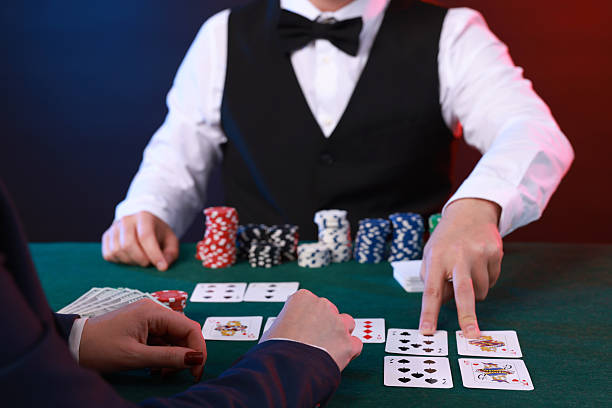
The sensory experience of a casino environment amplifies feelings of luck and chance. The vibrant lights, the sounds of coins falling, and the cheers of fellow players contribute to an atmosphere that promotes the belief in good fortune. This multi-sensory stimulation can lead individuals to feel that luck is omnipresent, increasing their desire to play. However, being aware of how these psychological elements can influence behavior is essential for maintaining a healthy and enjoyable relationship with gambling, ensuring a positive experience overall that is not solely based on luck.
The Balance Between Luck and Skill
The interplay between luck and skill in casinos is intricate and varies significantly across different games. While games like slots and roulette are predominantly luck-based, others, such as poker and blackjack, require a considerable amount of strategic thinking and skill. In skill-based games, players who hone their abilities can effectively enhance their odds of winning, demonstrating that skilled play can indeed complement the role of luck. This duality creates diverse experiences, catering to players who enjoy both the unpredictability of pure chance and the calculated risks that come with skillful play.
In poker, for example, while luck determines the cards dealt, skill becomes paramount as players decide how to bet based on their reads of opponents and the overall game situation. A seasoned player can leverage their understanding of probabilities and player psychology to navigate difficult scenarios, turning what seems like a losing hand into a profitable opportunity. Similarly, in blackjack, employing strategies like card counting can shift the odds in a player’s favor, illustrating how skill can sometimes outweigh the randomness of luck. This blend of elements creates a dynamic environment that keeps players engaged.
Furthermore, the balance between luck and skill significantly influences player satisfaction and engagement. Those who thrive on strategy may find greater enjoyment in skill-based games, while players drawn to the excitement of luck may prefer chance-driven experiences. Understanding one’s preferences within this spectrum is essential for selecting the right games, leading to a more fulfilling and pleasurable casino experience. By acknowledging this balance, players can make informed choices that align with their gaming styles and expectations, resulting in a more rewarding time spent in casinos.
The Influence of Superstitions and Myths
Superstitions and myths surrounding luck can significantly shape the casino experience, influencing players’ perceptions and behaviors. Many gamblers carry lucky charms, wear specific outfits, or engage in rituals, believing these actions can sway luck in their favor. For instance, some players might blow on dice before rolling them or tap the table for good fortune, reflecting how deeply rooted the notion of luck is within gambling culture. While these behaviors can enhance the thrill of the experience, they also highlight a common misconception about control over random outcomes that can cloud judgment.

Additionally, these superstitions often foster a sense of community among players, as sharing stories about lucky encounters or unfortunate losses creates bonds in the casino atmosphere. However, it is crucial for players to recognize that the outcomes of games are statistically determined and not influenced by personal beliefs or rituals. Maintaining a realistic perspective on luck can help players navigate their experiences more effectively, ensuring that they enjoy the social aspects of gambling without succumbing to false expectations that could lead to disappointment.
Interestingly, casinos often capitalize on these superstitions by incorporating lucky symbols or colors into their designs, further embedding the concept of luck into the player experience. By understanding the psychological impact of these beliefs, casinos can enhance player engagement, even though the essence of luck remains an unpredictable factor. Striking a balance between belief in luck and an awareness of statistical realities can empower players to enjoy their experiences while maintaining a grounded perspective on the nature of gambling, ultimately contributing to a more enjoyable environment.
Your Casino Experience and Understanding Luck
Recognizing the influence of luck on your casino experience is integral to making informed choices and maximizing enjoyment. By understanding that luck plays a pivotal role in the outcomes of games, players can approach their gaming experiences with a balanced mindset. Embracing the thrill of potential wins while being aware of the inherent risks and randomness involved in casino games can help players foster a healthier relationship with gambling. This mindset diminishes the likelihood of developing harmful habits while amplifying enjoyment.
Choosing games that align with your understanding of luck and skill can further enhance your overall experience. Selecting games that resonate with your preferences and comfort levels can make your time at the casino more enjoyable and fulfilling. Whether you are drawn to the sheer unpredictability of chance-driven games or prefer the engagement offered by skill-based options, recognizing these factors is essential for your satisfaction. This awareness allows players to tailor their gaming experiences to their personal preferences, ultimately leading to a more enriching casino visit.
In conclusion, casinos offer an enticing blend of luck and skill, creating an exhilarating environment for players. By gaining insights into how luck influences your gaming experiences, you can savor the highs of potential wins while remaining cognizant of the inherent risks involved. Embrace the randomness of luck, engage responsibly, and ensure that your casino visits remain entertaining and memorable. Understanding the dynamics of luck not only enriches your experience but also promotes a more thoughtful approach to gambling overall, ensuring that every visit can be both enjoyable and rewarding.
